
From February 1, beverage containers will have levy applied that can be refunded at Re-turn machines in certain outlets
Reverse vending machines are popping up at shops and supermarkets and they’re hungry for your plastic drinks bottles and cans.
From February 1, under the Deposit Return Scheme, you’ll be able to start feeding them.
The why, how and what’s in it for you are explained here.
Q. What is the Deposit Return Scheme?
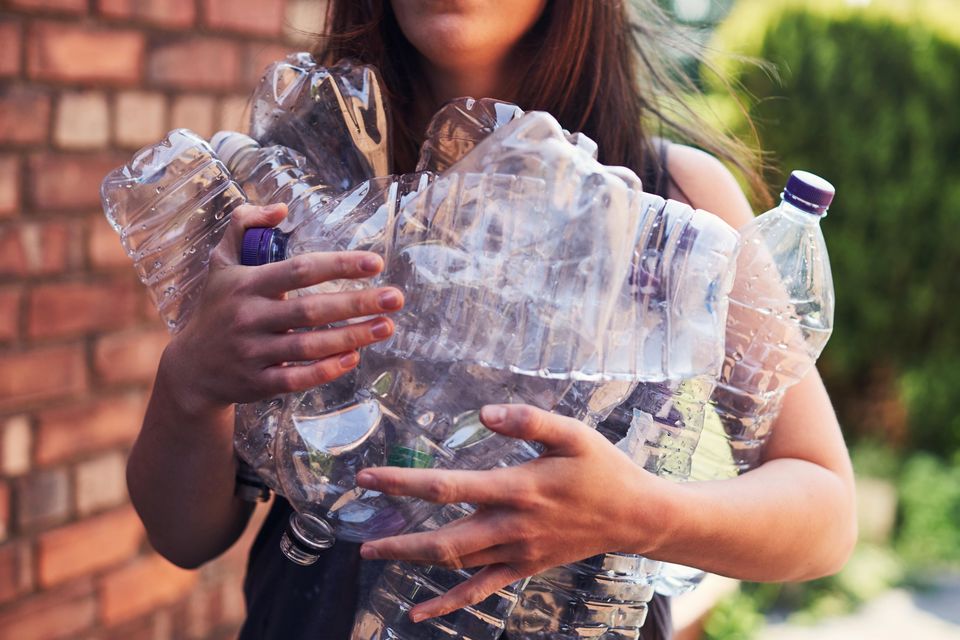
It’s the Government’s way of encouraging shoppers to put more of their plastic beverage bottles and drinks cans into recycling.
From February 1, shoppers will pay a ‘deposit’ – an extra fee added to the price of the product – and get it back when they ‘return’ the container for recycling.
Q. Why are they making us do this?
They’re not. You can still put bottles and cans into your household recycling bin or wherever you normally put them, but you won’t get your money back.
Q. OK, but why are they asking us to do this?
Ireland goes through1.7 billion drinks bottles and cans every year, a third of which are not put into recycling bins.
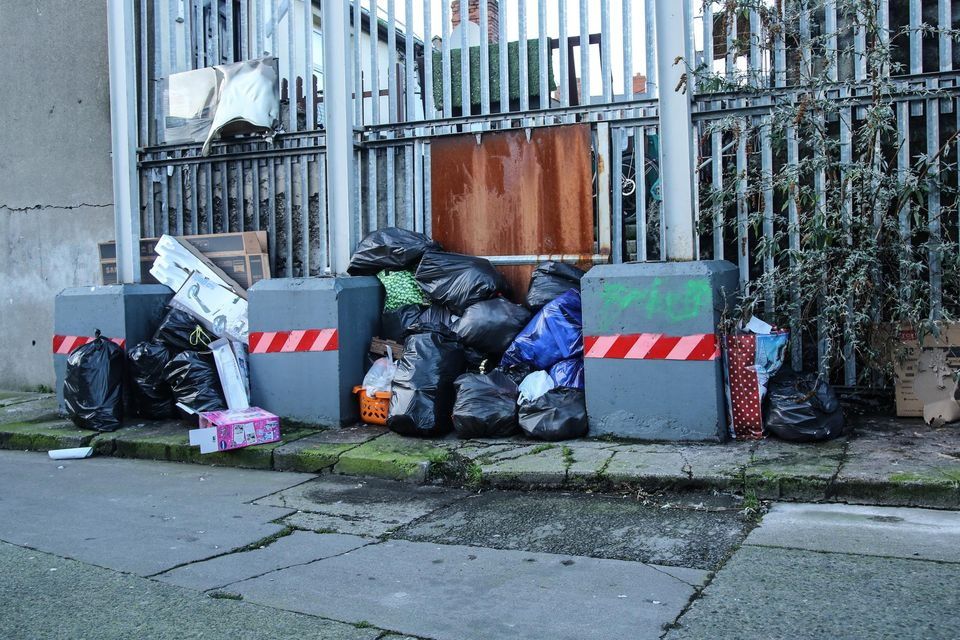
That leaves 500 million containers dumped into general waste bins to be incinerated or landfilled, or left to litter the streets and waterways.
That’s a waste of 35,000 tonnes of valuable material, a waste of energy, an eyesore and a pollution hazard. It also maintains high demand for virgin plastics that are made from climate-harming fossil fuels.
The scheme aims to have it all collected and recycled.
Q. So it’s a Green Party initiative?
It would happen no matter who’s in government. Under EU regulations, we must recycle 77pc of plastic beverage bottles by next year and 90pc by 2029.
Q. How much do I have to pay?
The deposit is 15c on bottles and cans from 150ml to 500ml inclusive and 25c for containers over 500ml and up to 3 litres.
Q. What if I buy a multi-pack?
The deposit is on each container. For example, a six-pack of a standard 330ml cola can will cost 6x15c, ie, 90c more.
Q. Does the price vary with the product price?
No, it’s a fixed fee. So a six-pack of 330ml home-brand cola, currently selling in one chain for €2.39, will cost 90c or 38pc more.
A six-pack of 330ml Coca Cola selling in the same chain for €6 will also cost 90c more but that represents a proportionately smaller rise of 15pc.
Q. How do I get my money back?
You bring your containers to any shop that takes returns..
It doesn’t have to be the shop where the items were bought.
If the shop has a ‘reverse vending machine’, you drop your bottle or can through the slot at the front and it will issue a voucher for the amount due to you depending on the number and size of the containers returned.
You bring the voucher into the shop and the value will be deducted from any purchase you make or you can redeem it for cash at the till.
If there is no reverse vending machine, some shops will accept containers over the counter and manually issue you a voucher.
Q. How many shops are in the scheme?
All must apply the deposit on purchases but not all are taking containers back. More than 1,800 reverse vending machines are due to go live on February and other shops will offer the over-the-counter service.
Shops not taking returns must let you know the nearest shop that is.
Q. Can I wait until I have a stash of vouchers to use them?
You can – but you can use them only in the shop that issued them.
Q. Can I use vouchers from one branch of a chain in another branch of the same chain?
No, they’re specific to one shop.
Q. I already have bottles and cans at home waiting for recycling – how will I know the difference between them and the ones eligible for money back?
Those sold under the scheme will have a new logo and barcode.
The logo is a large R for Re-turn with a circular arrow around it.
Q. Should I flatten the container?
No, the barcode needs to be read by the machine so if it’s squashed or damaged the container will be rejected and you won’t get your deposit back.
Q. Do I have to rinse it out?
Ideally, yes, but emptying it is more important than having it spotlessly clean. The machine will reject a container that still has liquid in it because it has sensors to gauge the weight.
Put the lid back on – it’s recyclable too.
Q. Will it take plastic bottles for the likes of olive oil, fresh cream, salad dressing and fabric conditioner?
No, the scheme is only for beverage containers. It excludes dairy products and bottles for other kinds of liquid.
They won’t have the required barcode and are usually made of a different kind of plastic to the PET the machine’s sensors will seek.
Similarly, only aluminium or steel drinks cans will be accepted. Cans for food are excluded.
Q. What will shops do with drinks still on their shelves without the Re-turn logo on February 1?
They can be sold up to May 31 but no deposit will be charged on them and they can’t be returned to get money back.
Q. What is Re-turn?
It is a not-for-profit company set up by a consortium of producers and retailers of bottled and canned beverages.
It is the State-approved operator and will work to legally enforceable regulations.
Q. Is the taxpayer funding it?
No, it is intended to be self-funding. The producers will pay a fee to Re-turn for each container placed on the wholesale market.
They will also charge the deposit fee to the retailers who buy their products and pass that on to Re-turn.
Re-turn will collect the returned bottles and cans and sell them to industry so it will also have revenue from that source.
Retailers, who have already paid the deposit fee to the producers, will charge it to shoppers, pay it back for returns and get reimbursed by Re-turn for every deposit reclaimed.
They also get a handling fee of 2.2c for each container returned by reverse vending machine and 2.6c for each taken back over the counter.
That should make it cost-neutral to shops, although there will be an outlay if they buy a reverse vending machine because they cost from €12,000.
Q. Why aren’t all shops taking returns?
Small shops can seek an exemption from handling returns because they may not have space to install a reverse vending machine or to store containers returned over the counter.
Q. Will the scheme work?
It will require a change in shopper habits, and it places an administrative and cost burden on businesses, so some reluctance to embrace it can be expected.
However, Ireland had a deposit return scheme for glass bottles in the 1970s and it worked well. The plastics industry, more so than consumer behaviour, changed that.
Around 40 similar schemes are in operation worldwide, some since the 1980s, and 12 countries in Europe either have one or are putting one in place.
That suggests it will work.
(Source – Irish Independent – Environment – Caroline o Doherty – 19/01/2024)
Only A Third Of Shops To Offer Cash Back For Empty Plastic Bottles In New Recycling Scheme
‘There will be places where you’ll be 10km from an outlet that’s taking returns,’ says newsagents representative
Less than one-third of shops are expected to offer a money-back service for empty plastic drinks bottles and cans when the new deposit return scheme begins next month.
Around 6,000 supermarkets, convenience stores, petrol stations and newsagents sell eligible beverages, but most have not installed return vending machines for shoppers to drop back their empties.
So while all 6,000 outlets will charge the extra deposit fee on drinks, shoppers will have a much smaller choice of shops to get their money back from.
Just over 1,800 reverse vending machines are due to go live on February 1 when the scheme begins, the scheme’ operators Re-turn said.
Re-turn said “very few” retailers have opted for the alternative arrangement of taking back containers over the counter.
“There will be deserts. There will be places where you’ll be 10km from an outlet that’s taking returns,” said Vincent Jennings of the Convenience Stores and Newsagents Association (CSNA).
Re-turn insisted it was happy with the uptake among retailers.
“There has been great engagement with the scheme, but Re-turn always welcomes more,” a spokesperson said.
The deposit return scheme is being introduced to encourage more recycling of single-use drinks containers made from PET plastic, aluminium and steel.
That covers most of the soft drinks, waters, energy drinks, juices and beers that are bought in bottles and cans from the large grocery chains and smaller convenience stores. From February 1, a deposit of 15c will be added to the price of drinks from 150ml to 500ml, while a fee of 25c will be added to drinks over 500ml and up to three litres.
Shoppers will be able to get their money back by returning their empty containers to a shop that has a reverse vending machine or a manual over-the-counter service.
The aim is to capture 500 million bottles and cans that aren’t recycled annually because people put them in general waste bins or litter public places with them.
However, while larger retail chains have installed reverse vending machines in foyers and car parks, many smaller chains and independent retailers feel left out.
The CSNA represents 1,500 stores, up to 70pc of which will not be taking returns.
“It was never intended that everybody would take back returns,” Mr Jennings said.
“But the more we looked at the scheme, we realised that for a variety of reasons – logistical, financial, environmental, health – there were a whole load of people who would not be doing it.”
Shops of 250 square metres or under can apply for an exemption from taking back returns and the majority have done so, but Mr Jennings said many would be open to reviewing their decision if the costs were cut.
He said: “We recommend that no member take back over the counter because you’d be asking staff to handle something that has been in somebody else’s mouth or lying on the side of a ditch.
“But a reverse vending machine costs €15,000 and if you haven’t room for it inside, that’s another €11,000-€12,000 to house it outdoors.”
Re-turn offers grants but Mr Jennings said the cost was still too high for smaller retailers.
“There will be pockets and areas of the country where you will be a distance from a reverse vending machine,” he said.
“For those, our members would be only too happy to be involved in a return scheme that wasn’t going to cost them money.”
The Retail Trade Association – RGDATA – which represents around 4,000 shops and is represented on the board of Re-turn, said the “majority” of its members would be taking returns.
“The operation of the scheme will be kept under review to see how it works from the perspective of retailers,” a spokesperson said.
“If there are any changes required, RGDATA will bring them to the attention of Re-turn.”
(Source – Irish Independent – Environment – Caroline O Doherty – 19/01/2024)