
A number of agri-business sites have been named in the latest National Priority Sites List published by the Environmental Protection Agency (EPA) today (Friday, October 21).
The list comprises facilities with the poorest compliance and environmental performance records so far this year.
According to the EPA, sites are placed on the EPA National Priority Sites List if they fail to adhere to their licence conditions and, as a consequence, are posing a risk to the environment.
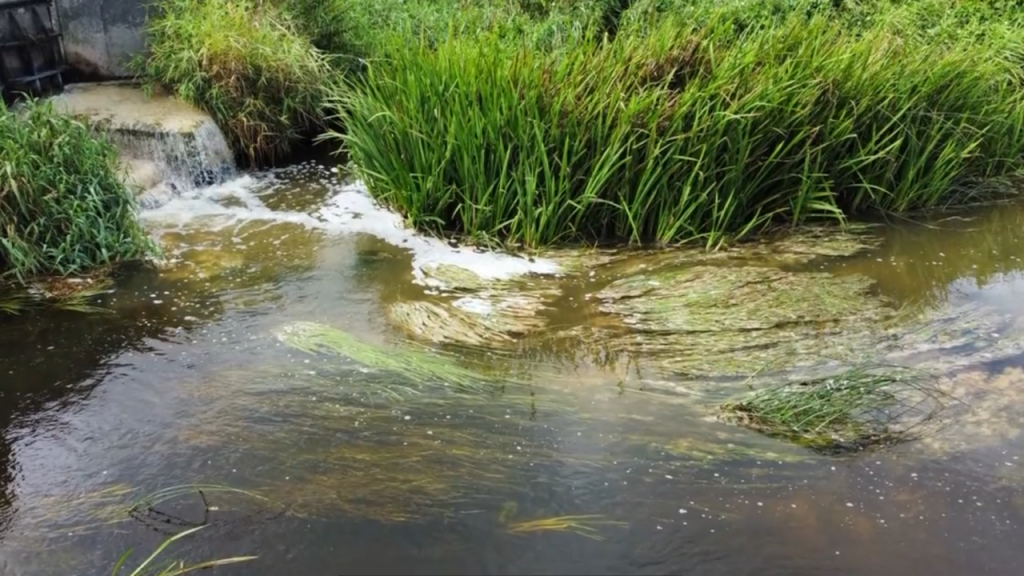
Licensed facilities are identified as National Priority Sites for enforcement using a system developed by the EPA. Points are allocated to each site based on compliance data such as complaints, incidents and non-compliances over the previous six months.
Sites which exceed a certain threshold become a National Priority Site and are targeted by the EPA for further enforcement action. The EPA updates the National Priority Sites list on a quarterly basis.
National Priority Sites List
The EPA has stated that it carried out over 1,049 inspections of licensed sites so far in 2022, and dealt with over 1,161 complaints relating to licensed sites.
On foot of this enforcement work, the EPA has identified an increasing number of sites of concern which has resulted in an increase in the number of sites on the National Priority Sites List, from eight in quarter two (Q2) of 2022, to 12 in Q3.
The following sites have been included on the list:
| Site | County | Sector | Issue |
| Arrow Group* | Kildare | Food and drink sector | Odour and noise |
| Aurivo Dairy Ingredients Ltd. | Roscommon | Food and drink sector | Wastewater treatment and odour |
| Ballyguyroe Landfill | Cork | Landfill sector | Management of gas and leachate |
| City Bin Co. Ltd. | Galway | Non-hazardous waste transfer stations sector | Emissions to water and waste management practices |
| Euroflex Teoranta | Donegal | Surface coating sector | Air emissions |
| Forge Hill Recycling Ltd. | Cork | Non-hazardous waste transfer stations sector | Odour and waste management practices |
| Gairdini t/a Munster Joinery | Cork | Surface coating sector | Emissions to water |
| Kepak, Athleague | Roscommon | Food and drink sector | Wastewater treatment |
| North Cork Co-Op Creameries Ltd. | Cork | Food and drink sector | Wastewater treatment |
| SRCL Ltd. | Dublin | Hazardous waste transfer stations sector | Waste handling and storage |
| Timoleague Agri Gen Ltd. | Cork | Compost sector | Odour and facility infrastructure |
| Western Brand Group Unlimited Company | Mayo | Food and drink sector | Wastewater treatment |
*Arrow Group Ltd. includes the activities at the licensed site of Dawn Farm Foods Ltd; TCFG Naas Ltd. (also known as The Culinary Food Group); QK Coldstorecs Ltd.; Dawn Farms Distribution Ltd; and Maudlins Waste Management Ltd. Data source: EPA
Commenting on the publication of the list, Dr. Tom Ryan, EPA director said: “The emergence of facilities in the food the and drinks sector on the EPA’s National Priority Sites List, due to their poor compliance and environmental performance records so far this year, is incompatible with the sustainable development goals and green image of the sector.
“Activities from these facilities are unnecessarily affecting the water quality of their local environment and of local people’s right to the enjoyment of a healthy environment.
“This trend has to be reversed and the EPA will hold any licensed operator polluting the environment or impacting public health to account,” he added.
Adding to comments on the sites in the food and drink sector, Darragh Page, EPA programme manager said: “The waste sector also continues to be a major contributor to sites on the National Priority Sites List with five sites from the waste sector appearing.
“It is concerning to see a number of the listed sites appearing on successive priority lists, indicative of the fact that there is sustained non-compliance with the waste licences posing an ongoing risk to the environment.
“The EPA will continue to focus our enforcement efforts on those who pose a risk to the environment or cause environmental pollution, and those on the priority sites list can expect further enforcement action from the EPA.”
(Source – Agriland – Stella Meehan – 21/10/2022)
Study – Correct Farm Advice Can Improve Water Quality Threefold
A study has demonstrated that the correct farm advice can deliver a threefold improvement in water quality over a 30-year period.
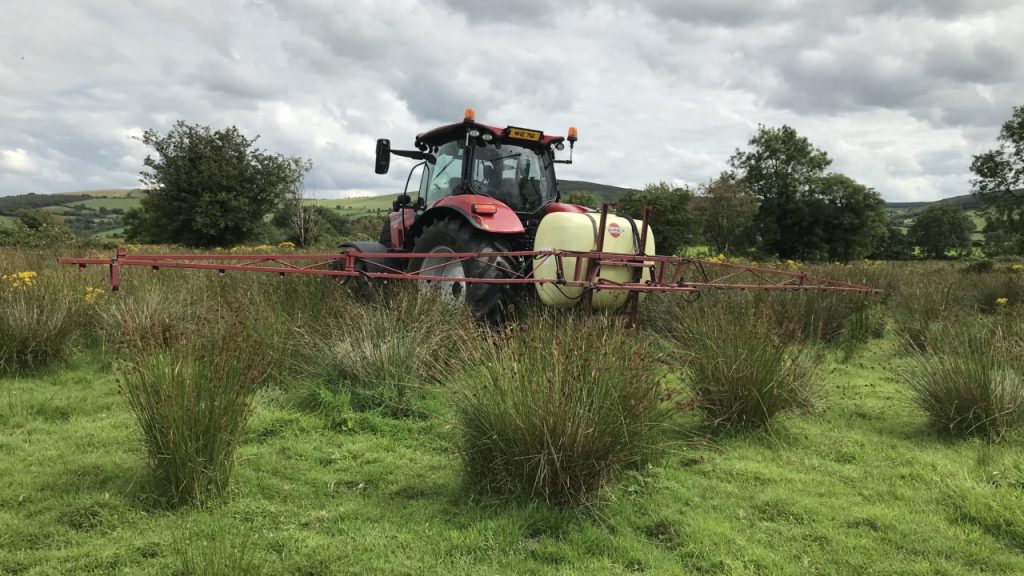
A pilot agri-environmental scheme and associated community engagement and education programme resulted in a 24% reduction in the herbicide MCPA concentration in the raw river water abstracted for drinking water treatment.
MCPA is the most frequently used pesticide throughout Ireland for grassland and fodder crops by both spray area and weight.
It is highly soluble and does not bind well to soil, and is easily lost to water bodies following rainfall, especially when applied to poorly drained soil.
Source To Tap And Water Quality
The study’s findings arise from the Source to Tap project, which is a €4.9 million cross-border partnership project aimed at improving water quality in rivers and lakes in the Derg and Erne catchments.
The EU-funded, Source to Tap project partners are: Northern Ireland Water; Irish Water; the Agri-Food and Bioscience Institute (AFBI); The Rivers Trust; Ulster University; and East Border Region.
This agri-environmental scheme also awarded €1.16 million in grants to farmers to adopt more sustainable land management practices in the 38km2 River Derg drinking water catchment.
As a result of the scheme, the quantity of MCPA lost from land to the River Derg was reduced by 41%, to 26.6kg in 2021, from what would have been expected in the absence of intervention.
The majority of cost savings resulting from this major project were achieved because regulatory breaches in MCPA trigger substantial capital and operational spends for water treatment that could be avoided with effective catchment management.
Reducing Pollution
The agri-environmental scheme aimed to enhance raw water quality by reducing pollution from herbicides, sediment-run off and erosion and was implemented by three catchment officers, working in partnership with local farmers.
There are approximately 340 farms in the catchment of which 236 were surveyed, identifying 1,700 pressures and resulting in €1.16 million in grants being awarded to 118 farmers.
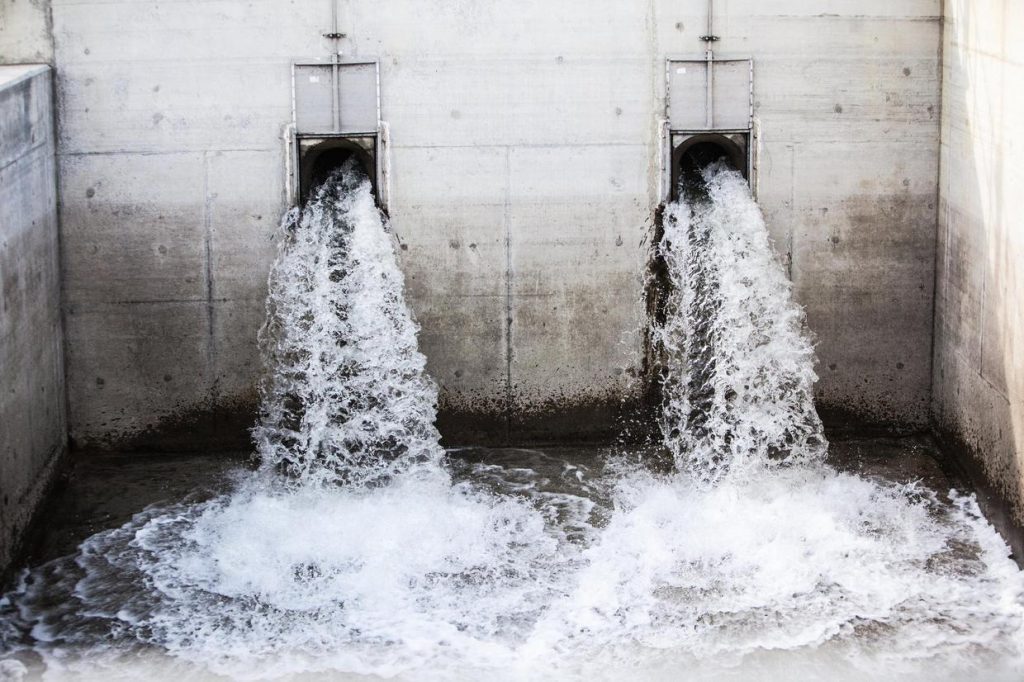
Although weed-wiping with glyphosate and pesticide storage cabinets were the second and third most popular measures (62% and 64% of applicants respectively), they account for just 7.4% (weed-wiping) and 2.9% (pesticide store) of funding awarded.
Only 3% of the agricultural land area was weed-wiped during the project, but this was sufficient to contribute to the improvement in water quality that was observed.
The most popular intervention was fencing, with 66% of applicants choosing this measure, which accounted for 49% of the cost of the scheme.
The River Derg Water Treatment Works is permitted to abstract 26.6 million litres of water per day to supply drinking water to a population of 41,681 in west Co. Tyrone.
As part of the annual review of the Northern Ireland Water Drinking Water Safety Plan for the Derg catchment, MCPA was identified in 2018 as the most pressing threat to drinking water quality.
The monitoring of raw water in the Derg river during the Source to Tap project demonstrated that high levels of MCPA were present, which increase the cost of the raw water treatment process.
(Source – Agriland – Richard Halleron – 24/10/2022)